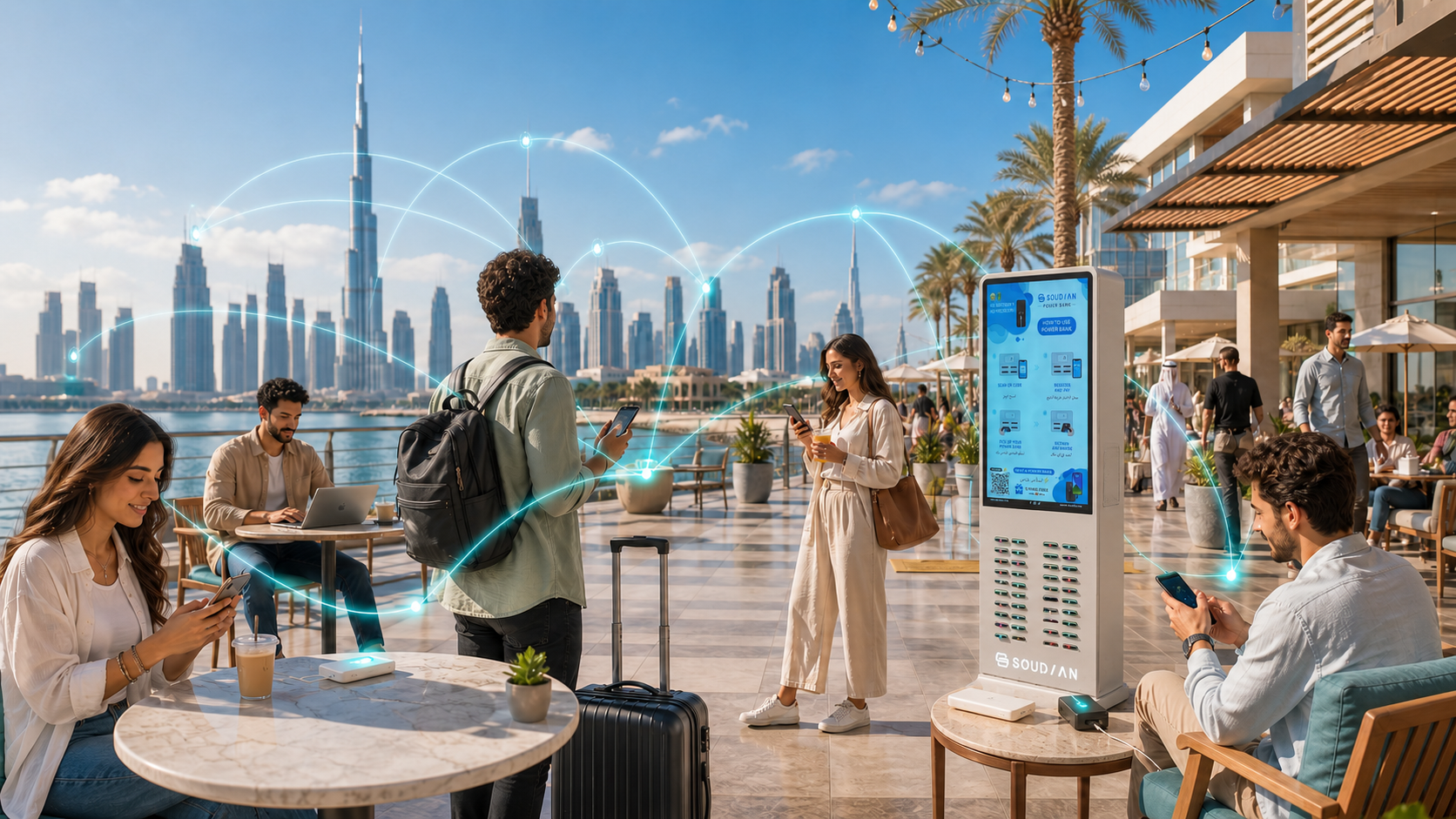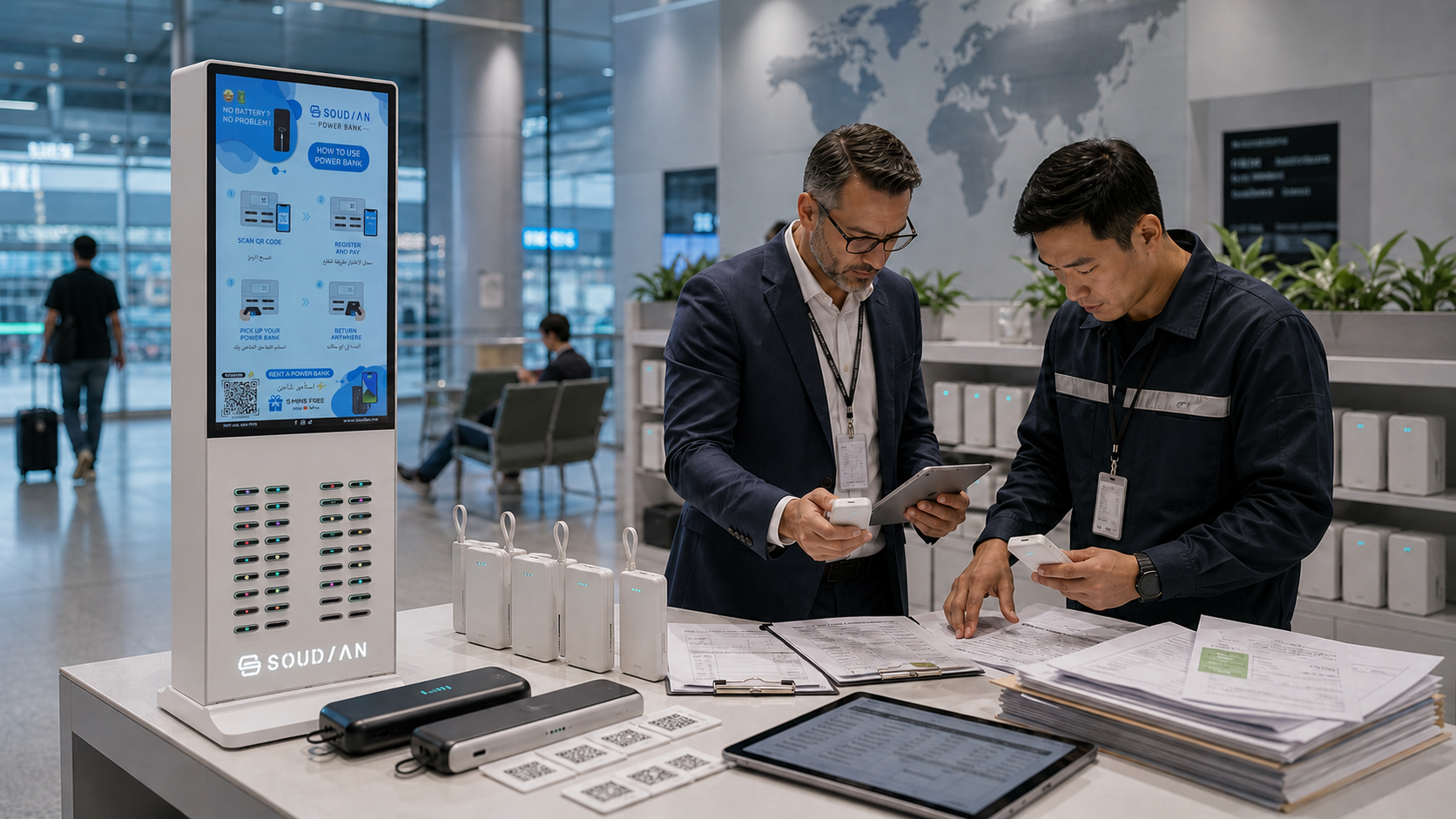


AI becomes useful when it turns device signals into controlled actions: availability guidance, maintenance alerts, partner routing and user support.
Signals are only useful when they trigger the right workflow
A shared charging network creates many small signals: station status, battery level, rental activity, return behavior, location demand, payment exceptions and maintenance events.
Raw signals are not enough. Without a workflow layer, operators still need to manually decide which cabinet to service, which venue needs attention and which user support case should move first.
Soudian's AI Agent OS is designed to convert these signals into practical queues, recommendations and supervised actions across availability, dispatch, maintenance and customer support.
A controlled agent model
A user-facing Power Agent can help people find available power, receive return reminders and resolve basic support questions. A venue agent can surface station health, guest usage and service history for local partners.
An operations agent can group maintenance alerts, recommend replenishment routes and flag abnormal return patterns. A partner agent can prepare reports for asset partners or regional operators.
The design principle is control. Agents should operate inside clear permissions, with sensitive commercial, financial or compliance decisions reviewed by people and every operational action logged.
What Soudian will publish
The first useful AI updates will not be broad claims about autonomy. They will be concrete product notes: availability recommendations, maintenance triage, venue dashboards, support routing and partner reporting.
As each capability moves from prototype to controlled use, Soudian can explain what the agent sees, what it is allowed to do, what still requires human review and how the action is recorded.
NEWS gives the AI OS roadmap a public timeline, separating working product progress from future ideas and keeping the network's intelligence layer understandable for users, venues and partners.